If you grew up watching the Discontinued Oreo Cookie aisle like it was a treasure map, you know the sting: a favorite flavor disappears and the world feels slightly off-balance. Oreo—an icon of snacktime—has been both generous and experimental, spawning everything from neon-laced limited runs to region-specific oddities.
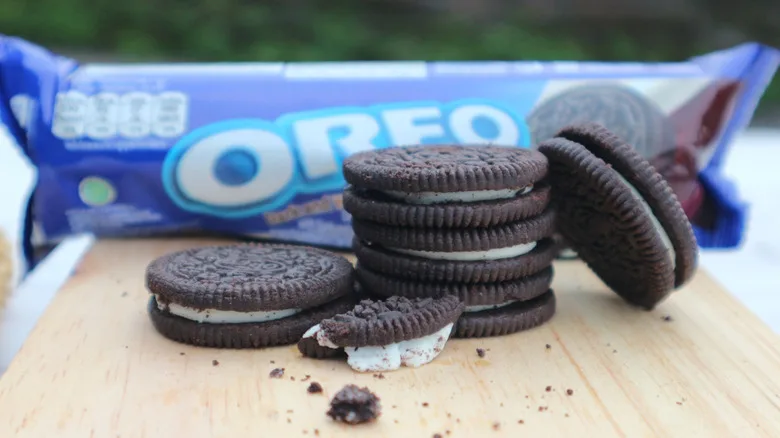
Most come and go; a few vanish so completely that they become culinary myths, whispered about on forums and memorialized in grainy photos. This is less about one single cookie and more about that very human ache for something sweet that’s gone forever.
Why a Beloved Oreo Disappears
Three simple, merciless forces can exile an Oreo flavor to the snack equivalent of an island prison:
- Sales — The math is blunt. If a variation doesn’t sell enough, it’s cut to make space for something that will. Seasonal novelties often outsell niche experiments; shelf real estate is finite and expensive.
- Logistics & Cost — Some flavors require ingredients, packaging, or manufacturing steps that are too costly or complicated to maintain long-term, especially when the profit margin is thin.
- Brand Strategy — Oreo is an idea as much as a cookie. The brand constantly reinvents itself to stay culturally relevant. That means trying new things and letting others go; sometimes a flavor is sacrificed not because it failed, but because it no longer fits the narrative the company wants to tell.
Why Some Discontinued Oreos Feel Permanent
Not all discontinued items are mourned equally. A cookie becomes “the one we might never see again” when several ingredients align: it was released at the right (or wrong) moment, it had a fiercely loyal niche, the recipe was hard to replicate, or it was tied to cultural moments that can’t be easily recaptured. Toss in limited production runs and international exclusivity, and you’ve got a snack that’s practically a legend.
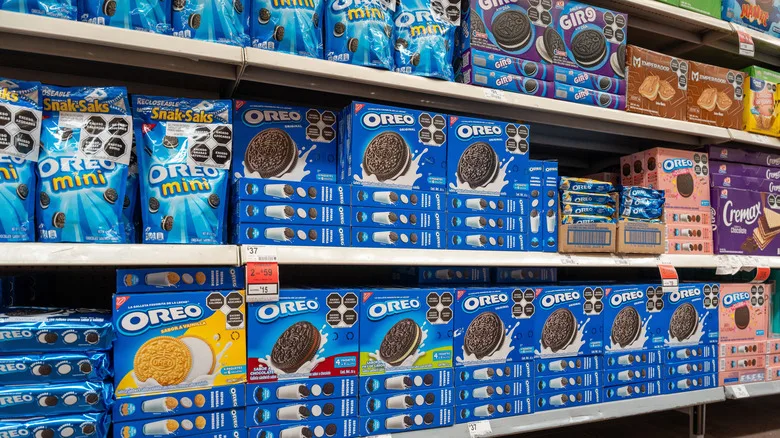
For many fans, the drama is personal. A cookie tied to a memory—road trips with family, late-night study sessions, awkward first dates—becomes more than sweet chemistry; it’s a portal. When that portal closes, nostalgia turns into a kind of grief. Online communities step in, sharing recipes, swaps, and the occasional conspiracy theory about secret factory stashes.
The Aftermarket of Taste
Where demand persists, creativity fills the void. Fans reverse-engineer flavors, post DIY recipes, and stage swap-meets. Small bakeries incorporate nostalgic flavors into cupcakes and frostings; enterprising entrepreneurs sell “inspired by” cookies. Some niche importers and boutique shops will occasionally ship discontinued varieties from other countries, turning them into collector’s items with surprising price tags.
Brands sometimes listen. A vocal, visible fandom can coax a company into a comeback—whether a full relaunch, a limited reissue, or a new product that captures the old cookie’s spirit. But comebacks are never guaranteed, and when they do happen, they’re often tweaked (for cost, legality, or modern tastes), which is both a relief and a heartbreak for purists.
What Makes a Cookie Worth Saving?
A few qualities turn a transient snack into something people want back forever:
- Distinctive flavor profile — If it tasted markedly different from the standard but matched fans’ imaginations, it becomes memorable.
- Aesthetic identity — Colors, shapes, or unique packaging can make a cookie iconic.
- Cultural timing — Releases tied to a trend or a cultural moment can become time capsules.
- Emotional resonance — If a cookie is wrapped up in personal stories, its disappearance feels like losing a piece of one’s life.
Living with the Loss (Possibility of Return)
Part of the modern food economy is built on temporary scarcity—limited editions generate buzz and urgency. For every fan who mourns a discontinued Oreo, there’s likely someone else who never tasted it and moves on. That’s the trade-off of a market that thrives on novelty.
If a cookie truly mattered, there’s hope. Social media campaigns, sales spikes on reissues, and fan petitions have brought flavors back before. Corporate calendars change, suppliers shift, and nostalgia sells unexpectedly well. But in many cases, the vanished Oreo remains just that: a delicious footnote in snack history.
Summary
The story of a discontinued Oreo cookie is less about the cookie itself and more about what it represents—the way small pleasures become landmarks in the geography of our lives. Whether it’s a bizarre international variant, a gimmicky seasonal mashup, or a quietly perfect flavor that never got its moment, those lost Oreos teach us to pay attention: savor what’s on your plate and, if you stumble on something special, maybe buy an extra pack. You never know if it’ll be the one you tell stories about years from now.
And if history is any guide, don’t be surprised to see something resurrected—because in the world of snack marketing, nothing is ever truly gone forever. It might just be resting between limited runs, waiting for the exact right meme, moment, or celebrity to bring it back into the light.