Here’s a comprehensive, engaging exploration of National Watermelon Day—its origins, the date it’s celebrated, ways to observe it, and a FAQ section.
🍉 What Is National Watermelon Day?
National Watermelon Day is an informal annual celebration in the U.S.A. dedicated to saluting the beloved watermelon—one of the quintessential symbols of summer. Though not official, the day has become widely recognized and is marked by fans of the juicy fruit across the country.
📅 When Is It Celebrated?
- Date: Every year on August 3.
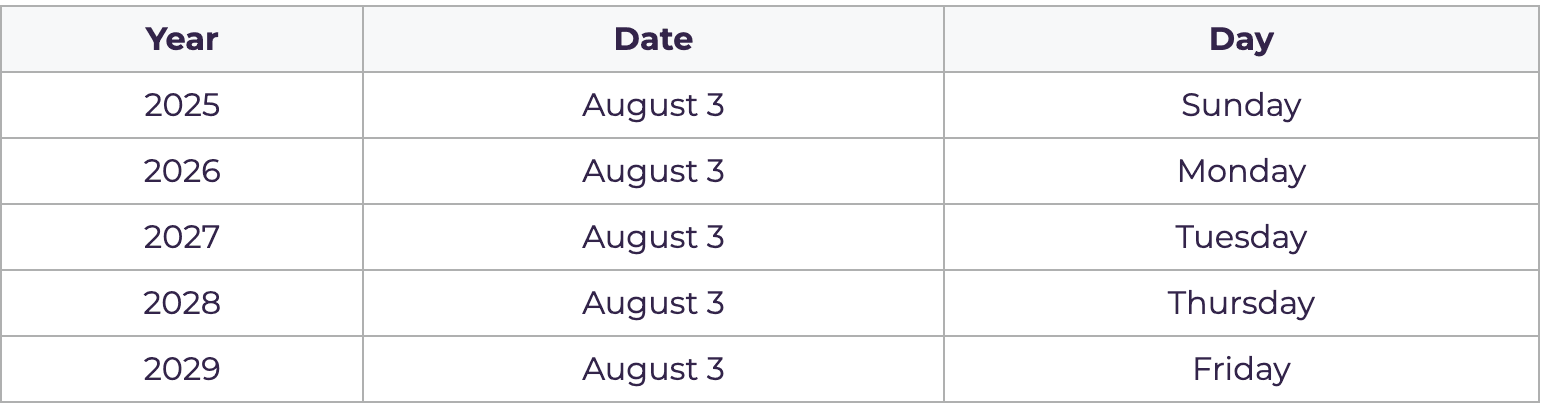
- In 2025, August 3 falls on a Sunday.
- The date remains the same annually—it does not vary by “first Sunday” or similar.
📜 History & Significance
- Ancient Origins: Archaeologists even discovered seeds in King Tutankhamen’s tomb and hieroglyphs depicting watermelons from around 2000 BC.
- Spread Across the World
- Modern Recognition: National Watermelon Day appears to have emerged in the late 20th century as a fun food holiday to focus on this refreshing fruit. Now it’s widely promoted across food blogs, farmer groups, and media outlets each August 3rd.
🎉 How to Celebrate National Watermelon Day
There’s no wrong way to enjoy the day—but here are lots of fun ideas:
1. Eat and Serve Watermelon
- Fresh Slices: Classic, simple, and perfect.
- Creative Dishes:
- Watermelon salad with feta, mint, or basil.
- Watermelon salsa with lime, jalapeño, and cilantro.
- Beverages & Treats:
- Blend into cool watermelon juice, smoothies, or sherbets.
- Mix in cocktails or mocktails (e.g., margaritas, slushies).
2. Host a Watermelon-Themed Event
- Picnics or BBQs in parks, backyards, or on beaches featuring watermelon-themed foods.
- Contests:
- Seed‑spitting competition.
- Watermelon‑eating challenge.
- Community Festivals: Local fairs or watermelon festivals (e.g., North Carolina Watermelon Festival) often include parades, craft sales, weight‑melon contests, and crowning of a “Watermelon Queen”.
3. Decorate & Share
- Use watermelon‑patterned tablecloths, banners, or costumes.
- Share watermelon pictures or recipes on social media with #NationalWatermelonDay.
4. Educate & Explore
- Learn fun watermelon facts (nutrition, history, varieties).
- Gardening: Try growing your watermelon vine or visit local farms.
- Kids’ crafts: Watermelon coloring, seed mosaics, or simple cooking projects.
National Watermelon Day Dates
❓ FAQs – Frequently Asked Questions
Below are common questions about watermelons and this unofficial holiday:
Q: Why is Watermelon Day August 3?
It’s remained consistent as an informal American holiday. There’s no alternative date—August 3 is the official day every year.
Q: Is Watermelon a Fruit or a Vegetable?
- Botanically, watermelon is a fruit: a pepo (a berry) in the cucurbit family.
- Agriculturally, it’s often grown like a vegetable and sometimes treated as such in classification systems.
Q: How Many Types of Watermelon Exist?
- Over 1,200 cultivars exist globally, with flesh in colors like red, pink, orange, yellow, and even white.
- Seedless watermelons dominate the U.S. market, making up over 90% of sales in recent years.
Q: What are Watermelon’s Health Benefits?
- Water is over 90% of watermelon’s weight—it’s extremely hydrating.
- Rich in vitamin C, vitamin A (via carotenoids such as lycopene), and citrulline, an amino acid found in the rind.
Q: Are there Traditional Customs Tied to Watermelon?
- In Japan, the summer game “Suikawari” involves blindfolded players smashing watermelons—a festive tradition often done at beach parties.
- In various cultures, watermelon juice was consumed in traditional Chinese medicine as a cooling aid during hot weather or heatstroke.
- Some African farmer folk say singing to watermelon plants improves sweetness, or that certain harvest days bring bitterness; these are area‑specific superstitions.
Q: Where Did Watermelon Originate?
- Origin: Africa—evidence from seeds found in Libya dating back 6,000 years shows domestication in northeastern Africa by around 2000 BC. Sweet varieties spread through Egypt and beyond over millennia.
- Seeds were even found in the tomb of King Tutankhamen, indicating their importance in ancient Egypt.
🎀 Summary & Looking Ahead
- National Watermelon Day is celebrated annually on August 3, including in 2025, Sunday, August 3rd.
- The day honors a fruit with ancient roots (5,000+ years) that remains beloved today.
- There are countless ways to mark the occasion—eat watermelon, make beverages and recipes, play seed‑spitting or smashing games, host festive gatherings, and share on social media.
- It’s not just tasty, but hydrating, nutritious, and often the centerpiece of summertime joy.
- Plus, learning about watermelon’s history, varieties, and cultural significance adds depth to the fun.
🎯 Quick Checklist for Celebrating
| Task | Ideas |
|---|---|
| Buy a watermelon | Choose seedless or seeded, red or yellow flesh |
| Cut fun shapes | Cubes, balls, or wedges |
| Make dishes | Salad, salsa, ice pops, smoothies, cocktails |
| Host gathering | Picnic, BBQ, watermelon‑eating, or spitting contests |
| Play traditions | Blindfold watermelon smash (Suikawari style) |
| Explore facts | Share trivia on history, varieties, and nutrition |
| Engage online | Post photos or recipes with #NationalWatermelonDay |
🏁 In Closing
National Watermelon Day is a joyful, refreshing celebration fitting for hot mid‑summer days. On August 3, whether you’re biting into a sweet slice, trying a new recipe, or hosting a playful contest, this day offers the perfect excuse to enjoy one of nature’s most beloved fruits. With a blend of ancient heritage, modern health insights, and pure summer fun, there’s no better way to savor the season.