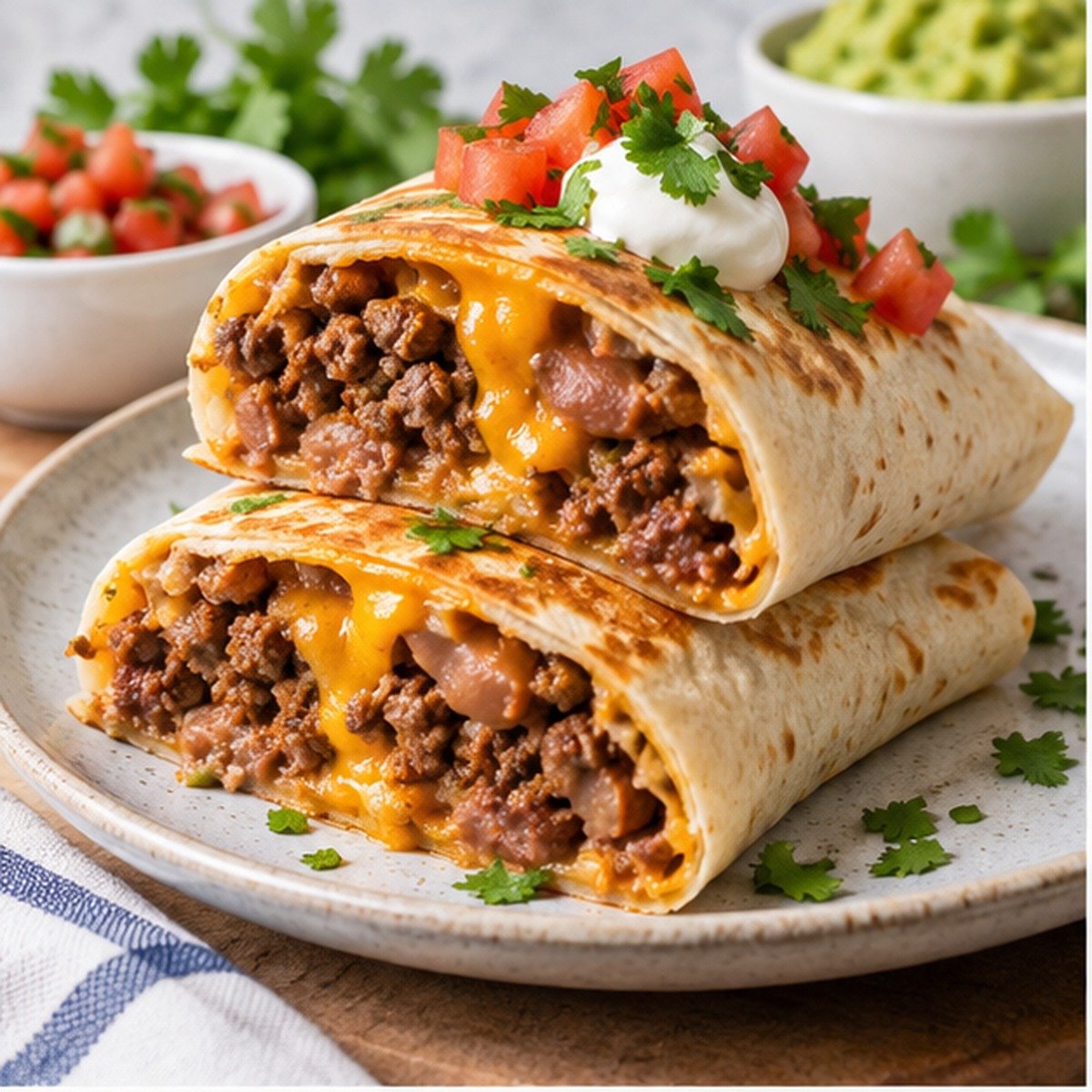

This homemade burrito combines seasoned ground beef, refried beans, salsa, and cheese in flour tortillas. Comparable published recipes use the same core filling, with quantities adjusted for four to eight burritos. The version below makes six medium burritos and avoids claiming a specific regional style.
Ingredients
- 1 pound lean ground beef
- 1 small onion, finely chopped
- 2 tablespoons taco seasoning, or a blend of cumin, chili powder, garlic powder, salt, and pepper
- 1/2 cup salsa
- 1 16-ounce can refried beans
- 1 1/2 cups shredded cheddar or Monterey Jack cheese
- 6 medium flour tortillas
- Optional toppings such as chopped tomato, lettuce, cilantro, or sour cream
Method
Step 1
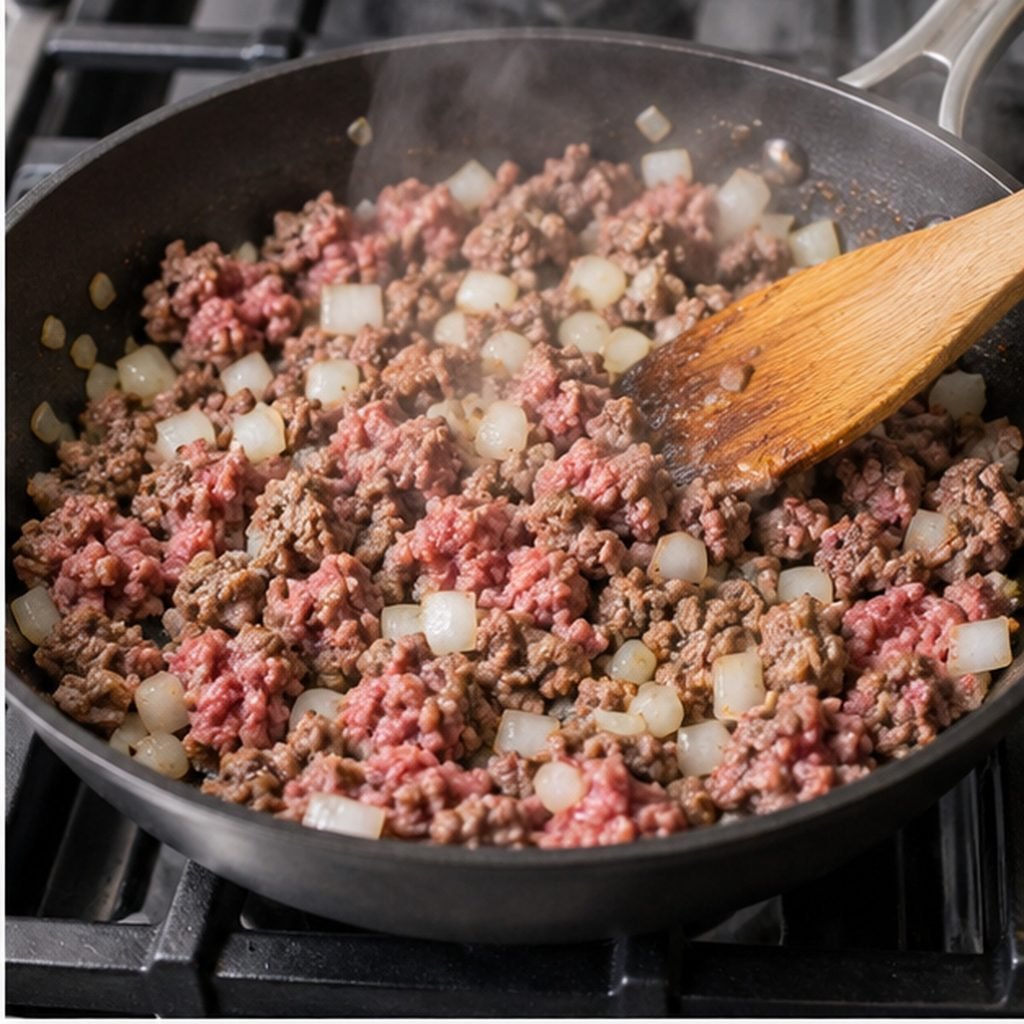
Cook the beef and onion in a skillet over medium heat, breaking the meat into small pieces. Continue until no raw portions remain.
Step 2
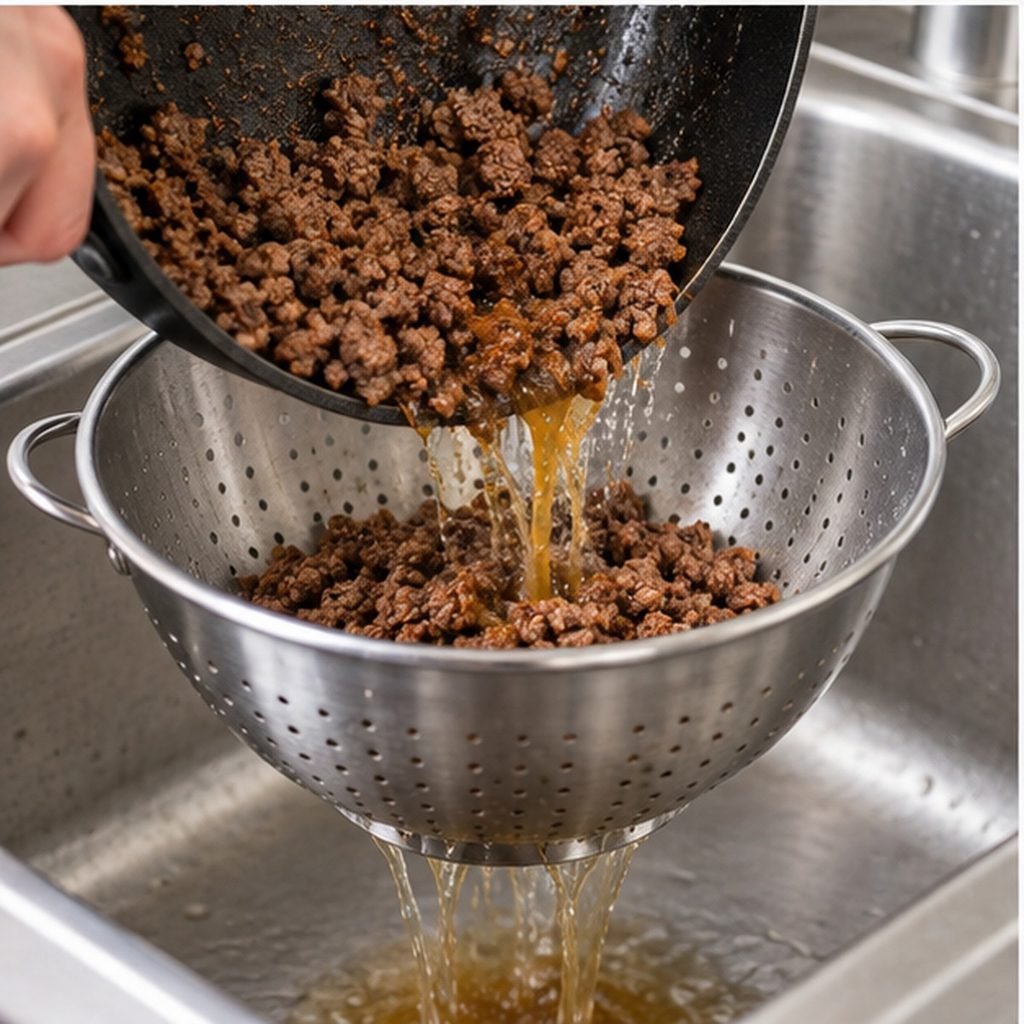
Drain excess fat if necessary. Add the seasoning and salsa, then simmer briefly until the mixture is moist but not watery. Ground beef must reach 160°F or 71°C.³
Step 3
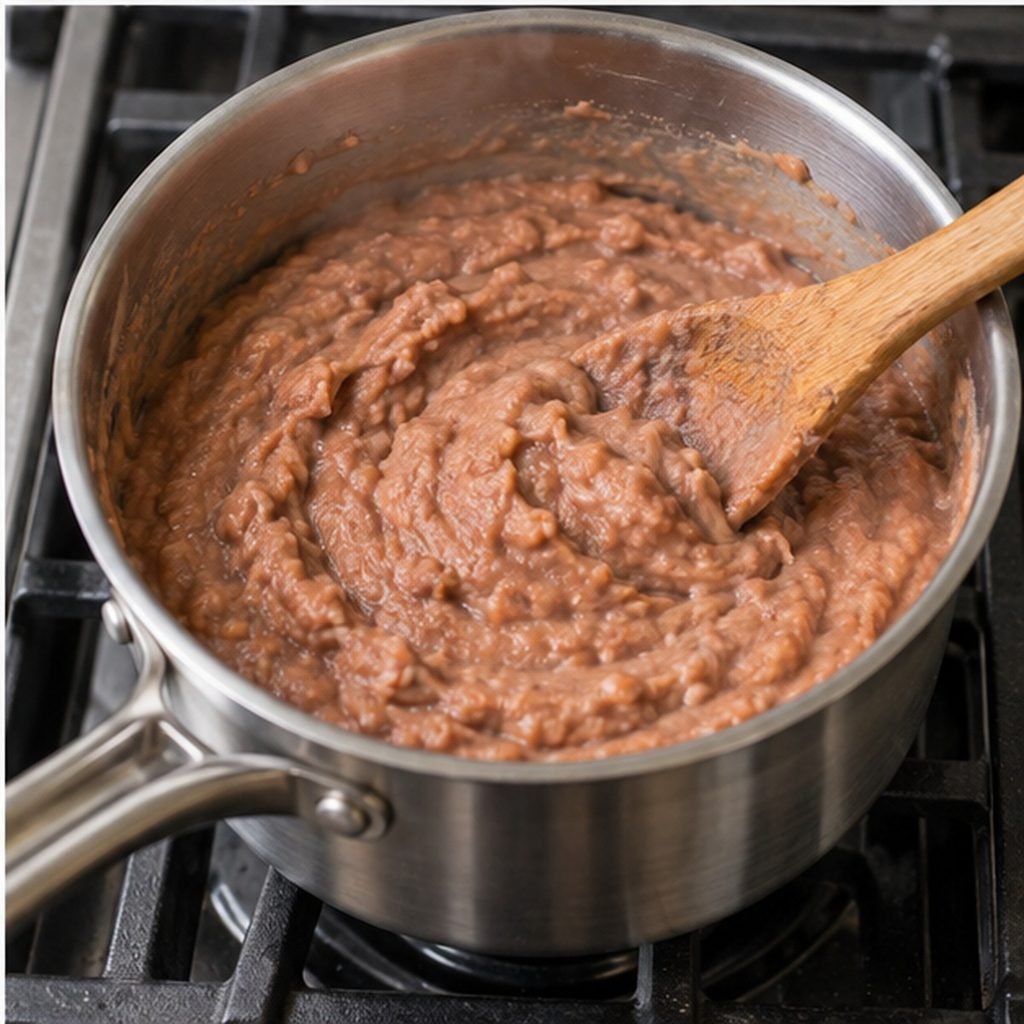
Warm the refried beans separately. Warm the tortillas so they fold without tearing.
Step 4
Spread beans slightly below the center of each tortilla. Add beef and cheese, keeping the filling away from the edges.
Step 5
Fold the left and right sides inward, bring the lower edge over the filling, and roll tightly. Serve soft, toast seam-side down in a skillet, or air fry briefly until crisp.
How to Avoid Soggy or Split Burritos
A wet filling makes a burrito difficult to roll and softens the tortilla. Simmer off excess liquid and avoid adding watery toppings inside a burrito intended for storage. Do not overfill. A warm tortilla is more flexible, but overheating can dry it and cause cracks.
Freezing and Reheating
Cool the beef mixture before assembling freezer burritos. Omit lettuce, fresh tomato, and sour cream because they thaw poorly. Wrap each burrito, freeze on a tray, then store in a freezer-safe container. Reheat until the center is steaming hot; for previously cooked leftovers, 165°F is a prudent target.
Variations
Black bean
Replace refried beans with drained black beans for a looser texture.
Rice and beef
Add a modest amount of cooked rice, reducing other filling so the tortilla closes.
Spicier filling
Use a hotter salsa or add minced jalapeño.
Vegetarian
Omit beef and increase beans, vegetables, or a suitable meat alternative. Follow its package directions.
Frequently Asked Questions
Can I use corn tortillas?
Corn tortillas are smaller and less flexible; make tacos or smaller rolls instead.
Can I prepare the filling ahead?
Yes. Cool promptly, refrigerate in a covered container, and reheat thoroughly.
Why did the tortilla tear?
It may have been cold, dry, or overfilled. Warm it briefly and use less filling.
Can I bake the burritos?
Yes. Arrange seam-side down and bake until hot; timing depends on whether the filling starts warm or cold.
How do I keep them crisp?
Serve immediately after toasting and keep wet toppings on the side.
What cheese melts well?
Cheddar, Monterey Jack, or a blend works. Choose based on flavor and dietary needs.
Choosing Ground Beef
Lean ground beef limits excess grease without making the filling dry. Break it into small, even pieces so the burrito rolls neatly. If the beef releases a large amount of fat, drain it safely before adding seasoning and salsa. Ground beef must reach 160°F or 71°C; browned color alone is not a reliable safety check.
Using Refried Beans
Refried beans give the filling body and help hold loose beef in place. Warm them before assembly so they spread without tearing the tortilla. If they are extremely thick, stir in a small amount of water. If they are loose, heat them uncovered until excess moisture evaporates. Taste before adding salt because canned beans and seasoning blends can already contain plenty.
Balancing the Filling
The filling should be moist enough to taste good but dry enough to stay inside the tortilla. Simmer watery salsa before assembly and serve sour cream, chopped tomato, and lettuce on the side when burritos will be stored. Cheese helps bind the warm filling, but too much creates a greasy seam. Keep each layer narrow and below the tortilla’s center.
Warming Tortillas
A warm tortilla stretches more easily and is less likely to crack. Heat tortillas briefly in a dry skillet or according to the package directions, then keep them covered with a clean towel while assembling. Do not leave them on the heat until crisp. If a tortilla still splits, use less filling or choose a slightly larger size.
Rolling Securely
Fold the side edges over the filling first. Pull the lower edge up and over the filling, tuck it gently, and continue rolling away from you. Place the finished burrito seam-side down. Tight rolling is useful, but squeezing hard can push hot filling through the ends or tear the tortilla.
Toasting the Burritos
For a crisp exterior, place the burrito seam-side down in a lightly oiled skillet over medium heat. Turn when the first side is golden and toast the remaining sides briefly. An air fryer can also crisp an assembled burrito, but the exact schedule depends on whether the filling is hot, chilled, or frozen. Check frequently to avoid a brittle tortilla.
Serving Suggestions
Serve fresh toppings beside the hot burrito so each person can add what they want. Salsa, chopped tomato, lettuce, cilantro, avocado, and sour cream provide contrast, but they also add moisture. Rice, a simple salad, roasted vegetables, or fruit can complete the meal without making the burrito itself too large to roll.
Making a Smaller Batch
Halve the filling ingredients for three burritos, but taste the seasoning rather than dividing every spice mechanically. Cook the beef in a skillet wide enough for moisture to evaporate. Leftover beans and tortillas can be used separately, so there is no need to overfill the smaller batch merely to empty every package.
Preparing Ahead
The beef mixture and beans can be cooked ahead, cooled promptly, and refrigerated in separate covered containers. Reheat only what you need before rolling fresh burritos. For packed lunches, cool the assembled burrito before closing the container and keep it cold with adequate cold sources unless it is held hot in a suitable insulated food jar.
Freezing Without Sogginess
Use cooled filling and omit watery fresh toppings. Roll each burrito tightly, wrap it, and freeze it in a single layer before transferring the burritos to a larger container. Label the package with the contents and date. Thaw in the refrigerator or reheat with a method designed for frozen burritos, then confirm the center is steaming hot.
Reheating Safely
A chilled burrito can be reheated in a microwave, oven, skillet, or air fryer. The center heats more slowly than the tortilla, so a browned exterior does not prove that the filling is hot. Turn the burrito as needed and heat cooked leftovers to 165°F or 74°C. Let it stand briefly before eating because the filling can contain very hot pockets.
Nutrition and Substitutions
The nutrition total changes with tortilla size, beef fat percentage, bean brand, cheese, salsa, and serving size. Use the exact package labels for a calculation rather than copying a generic online number. For dietary substitutions, confirm labels for wheat, milk, soy, and other relevant allergens. A vegetarian version still needs a filling dry enough to roll securely.
Keeping Ingredients Separate
Use a dedicated cutting board or thoroughly wash the board after raw beef. Keep raw meat away from tortillas, cheese, salsa, and produce that will not receive further cooking. Wash hands with soap after handling the beef. Use a clean spoon for beans and toppings, and never place cooked beef back in the bowl or plate that held it raw.
Adjusting the Seasoning
Commercial taco seasonings vary in salt, heat, starch, and serving size. Start with the package quantity intended for one pound of meat or build a modest blend from cumin, chili powder, garlic, and pepper. Add salsa only after the beef has browned so you can control moisture. Taste the fully cooked mixture before deciding whether it needs more salt or spice.
Fixing Common Problems
If the filling falls out, reduce the quantity and tighten the first fold. If the tortilla tears, warm it and check that it is not stale. If the burrito is soggy, simmer the filling longer and keep fresh toppings outside. If the cheese does not melt, assemble while the beans and beef are hot or toast the rolled burrito gently.
Cooking for Different Preferences
Keep the base filling moderately seasoned, then offer hot sauce, jalapeño, cilantro, and stronger salsa separately. This lets one batch serve people with different preferences without inventing multiple recipes. For children, cut the burrito only after it has rested briefly so the filling sets and the center is less likely to spill or cause a burn.
Sources
- Five Heart Home. Beef and Bean Burritos. https://www.fivehearthome.com/beef-and-bean-burritos/
- Barefeet in the Kitchen. Beef and Bean Burritos. https://barefeetinthekitchen.com/beef-bean-burritos/
- FoodSafety.gov. Cook to a Safe Minimum Internal Temperature.
https://www.foodsafety.gov/food-safety-charts/safe-minimum-internal-temperatures
Final preparation notes
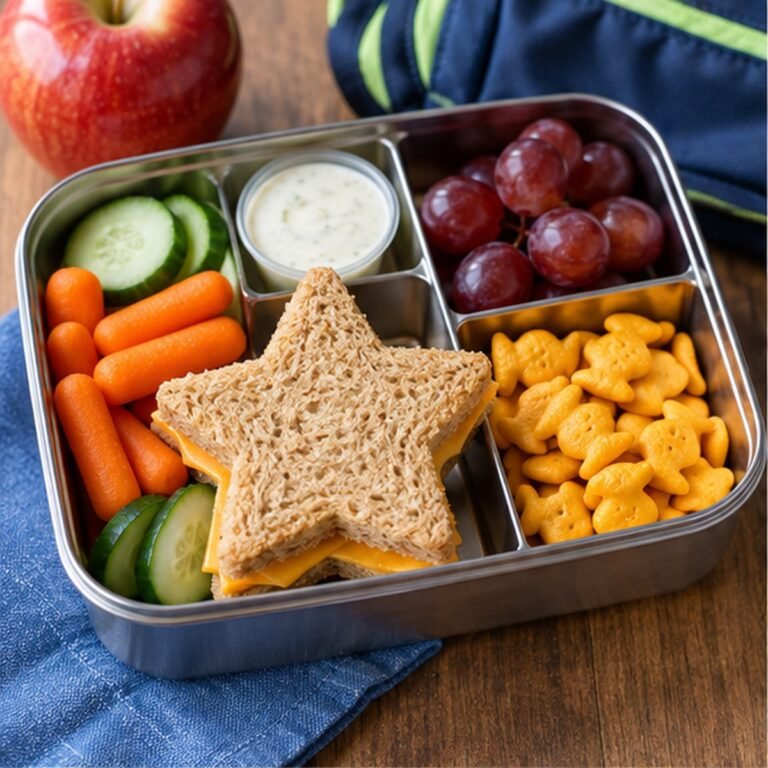
Pack perishable foods only after they have cooled in the refrigerator. Closing a container around warm pasta, rice, meat or eggs traps steam, damages texture and delays safe cooling. Use shallow storage containers the evening before, then assemble the lunch with cold ingredients in the morning.
An insulated bag does not create cold on its own. USDA guidance recommends cold sources for perishable packed lunches when refrigeration is unavailable. Put one above and one below the food when practical. Keep yogurt, cheese, eggs, cooked meat and cut produce cold until lunchtime, and discard food that has remained warm for more than two hours.
Use the lunchbox that comes home as evidence for the next portion. If bread becomes soggy, separate wet ingredients. If fruit is bruised, use a rigid compartment. If the child cannot finish, reduce the number or size of components. Practical packaging and familiar flavors matter more than filling every compartment.