
23 Air Fryer Recipes Everyone Should Know is a practical index of foods that work well with circulating hot air. It does not assign one universal time or temperature because food size, starting temperature, basket load, and appliance design change the result. Use the notes below to choose a method, then follow a tested recipe or product directions for exact quantities.
Recipes and Cooking Ideas
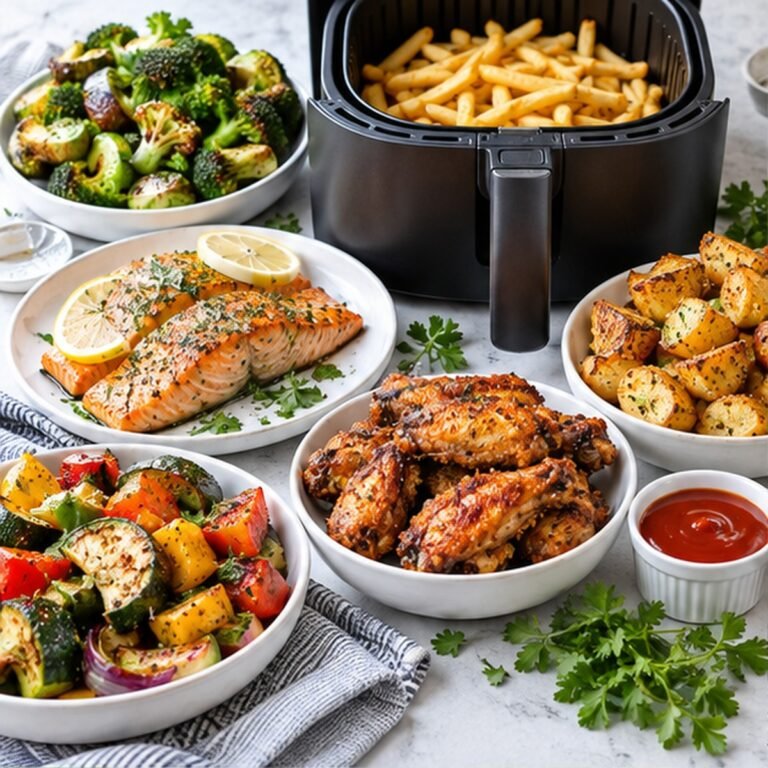
1 Chicken wings
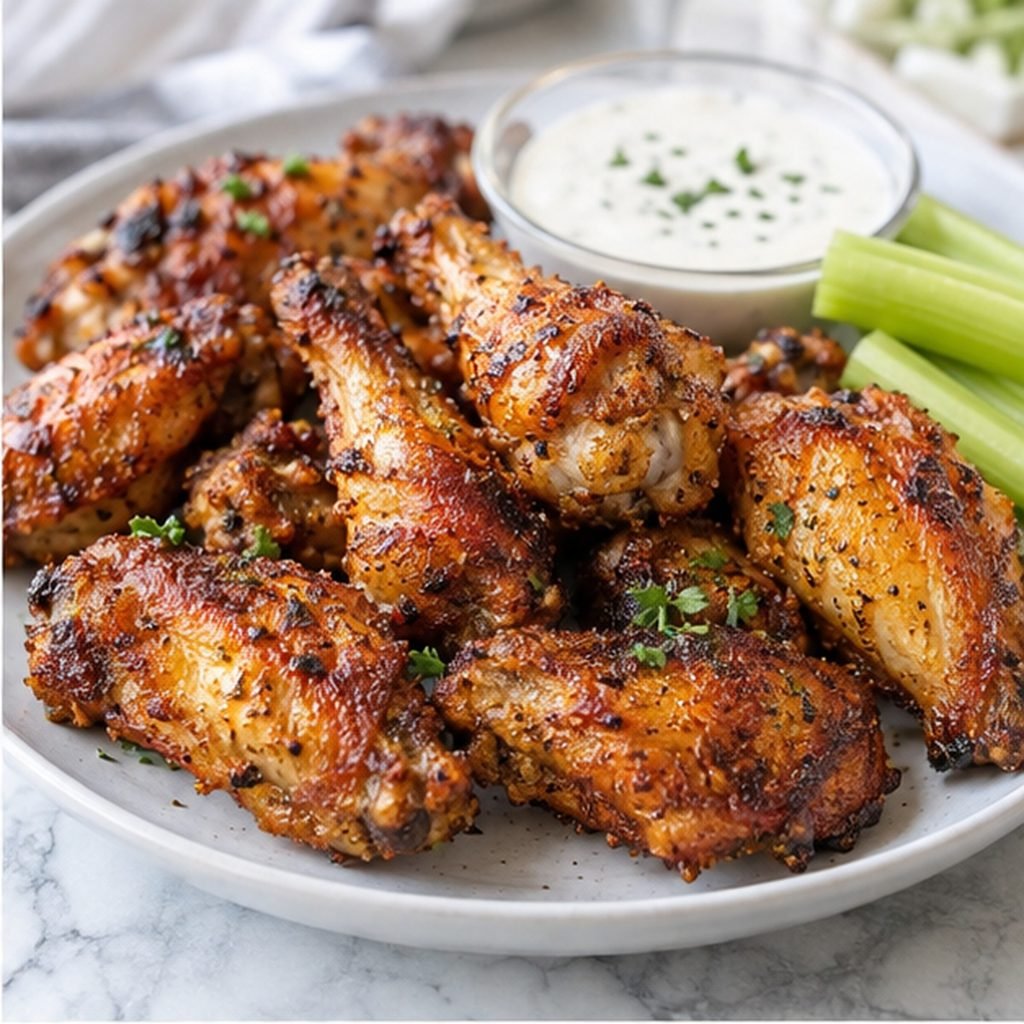
Use a light coat of oil and season evenly. Cook in one layer and verify 165°F or 74°C internally; time depends on the cut and thickness.
2 Chicken breast
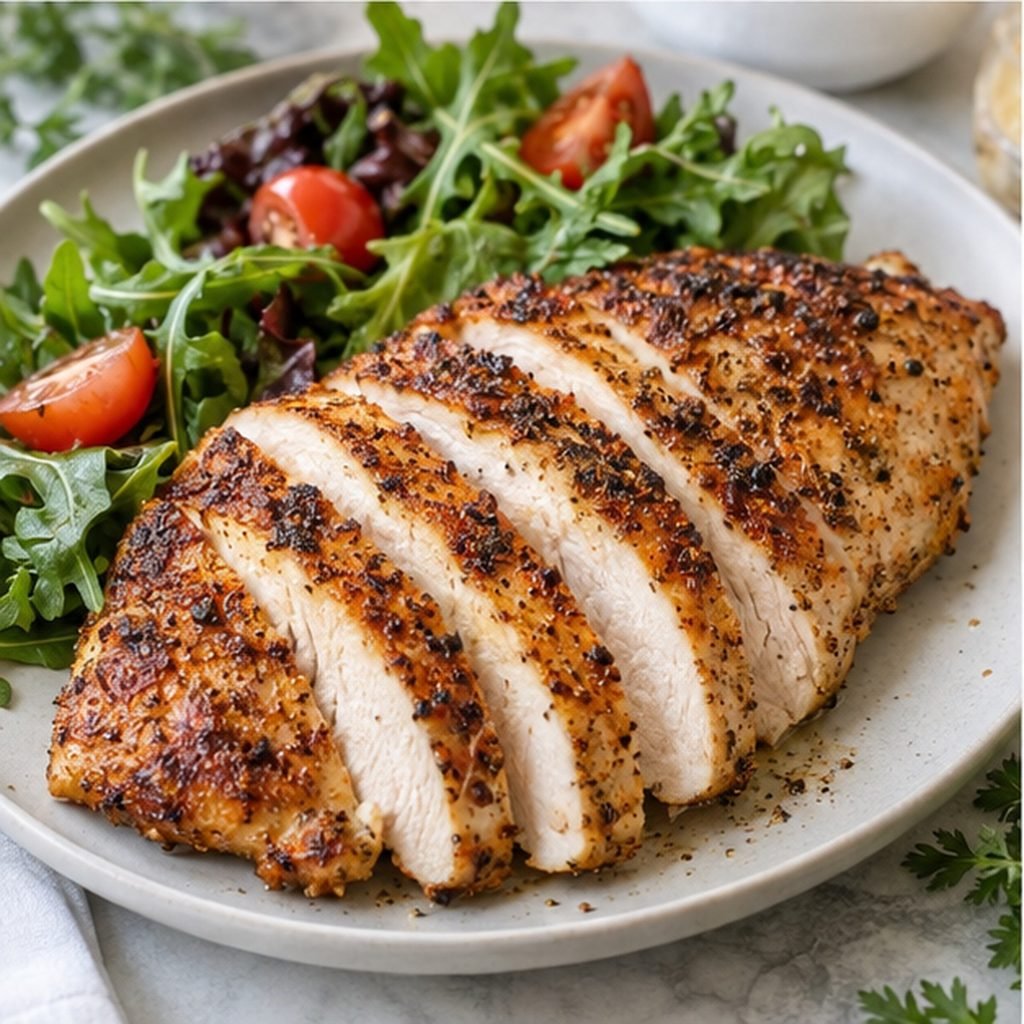
Use a light coat of oil and season evenly. Cook in one layer and verify 165°F or 74°C internally; time depends on the cut and thickness.
3 Salmon
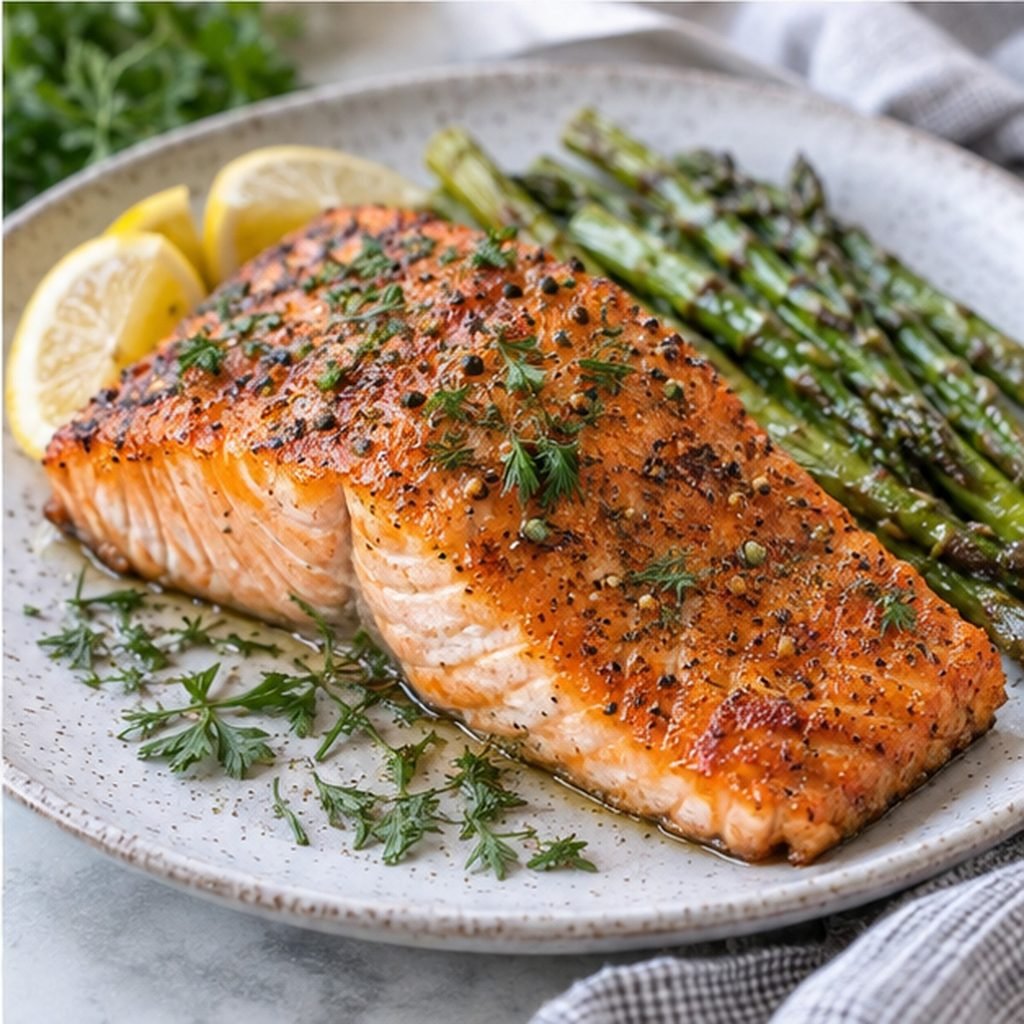
Oil lightly, season, and check early because seafood overcooks quickly. Follow the safe-temperature guidance and look for the texture specified in a tested recipe.
4 White fish
Oil lightly, season, and check early because seafood overcooks quickly. Follow the safe-temperature guidance and look for the texture specified in a tested recipe.
5 Shrimp
Oil lightly, season, and check early because seafood overcooks quickly. Follow the safe-temperature guidance and look for the texture specified in a tested recipe.
6 Pork chops
Use a tested recipe or the package instructions for temperature and time. Keep the basket uncrowded, check early, and confirm safe doneness for meat, poultry, seafood, and leftovers.
7 Steak bites
Use a tested recipe or the package instructions for temperature and time. Keep the basket uncrowded, check early, and confirm safe doneness for meat, poultry, seafood, and leftovers.
8 Sausage links
Arrange in one layer and turn or shake as needed. Ground meat and beef or pork sausage should reach 160°F or 71°C; poultry versions need 165°F or 74°C.
9 Meatballs
Arrange in one layer and turn or shake as needed. Ground meat and beef or pork sausage should reach 160°F or 71°C; poultry versions need 165°F or 74°C.
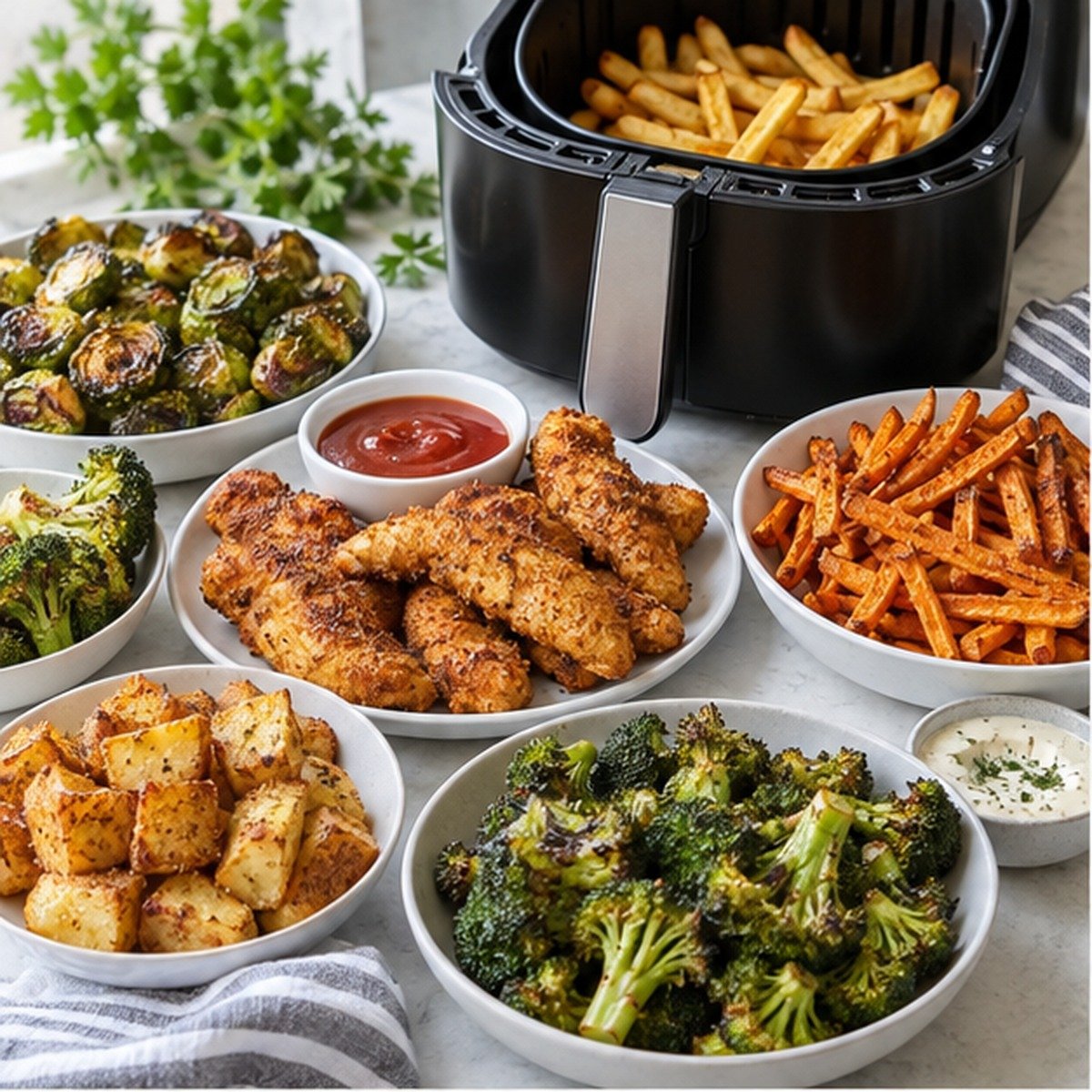
10 French fries
Cut evenly, dry the surface, oil lightly, and avoid crowding. Shake several times so the pieces brown on more than one side.
11 Potato wedges
Cut evenly, dry the surface, oil lightly, and avoid crowding. Shake several times so the pieces brown on more than one side.
12 Baked potatoes
Cut evenly, dry the surface, oil lightly, and avoid crowding. Shake several times so the pieces brown on more than one side.
13 Sweet potato fries
Cut evenly, dry the surface, oil lightly, and avoid crowding. Shake several times so the pieces brown on more than one side.
14 Broccoli
Dry thoroughly, toss with a small amount of oil and seasoning, and cook in a single layer. Shake once and stop when browned at the edges and tender.
15 Cauliflower
Dry thoroughly, toss with a small amount of oil and seasoning, and cook in a single layer. Shake once and stop when browned at the edges and tender.
16 Brussels sprouts
Dry thoroughly, toss with a small amount of oil and seasoning, and cook in a single layer. Shake once and stop when browned at the edges and tender.
17 Green beans
Dry thoroughly, toss with a small amount of oil and seasoning, and cook in a single layer. Shake once and stop when browned at the edges and tender.
18 Carrots
Dry thoroughly, toss with a small amount of oil and seasoning, and cook in a single layer. Shake once and stop when browned at the edges and tender.
19 Zucchini
Dry thoroughly, toss with a small amount of oil and seasoning, and cook in a single layer. Shake once and stop when browned at the edges and tender.
20 Mushrooms
Dry thoroughly, toss with a small amount of oil and seasoning, and cook in a single layer. Shake once and stop when browned at the edges and tender.
21 Corn on the cob
Dry thoroughly, toss with a small amount of oil and seasoning, and cook in a single layer. Shake once and stop when browned at the edges and tender.
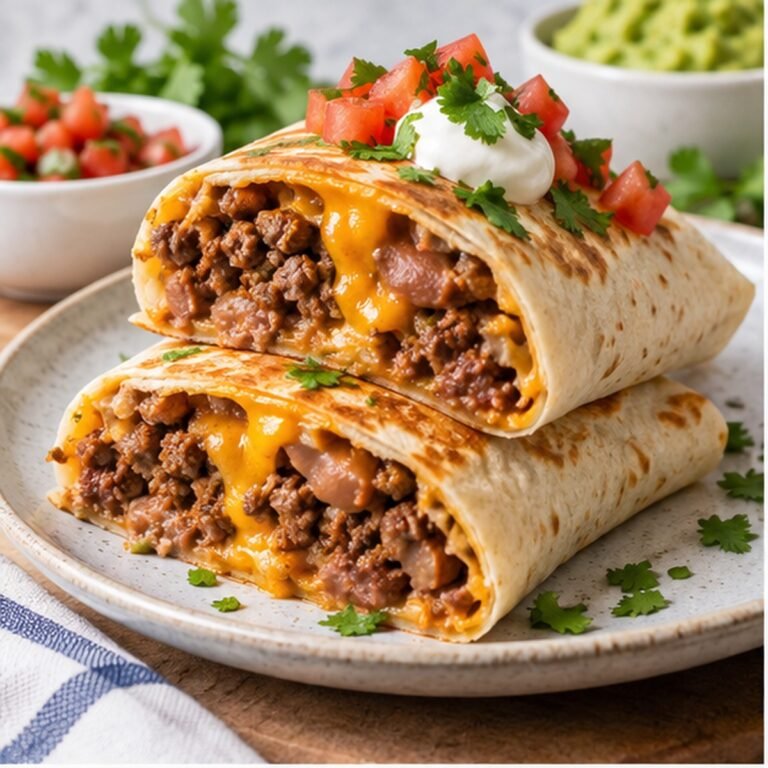
22 Quesadillas
Use a tested recipe or the package instructions for temperature and time. Keep the basket uncrowded, check early, and confirm safe doneness for meat, poultry, seafood, and leftovers.
23 Personal pizza
Use a tested recipe or the package instructions for temperature and time. Keep the basket uncrowded, check early, and confirm safe doneness for meat, poultry, seafood, and leftovers.
Beginner Air Fryer Method
Read the appliance manual first, especially the instructions for preheating, maximum fill, and safe cookware. Cut food into similar pieces, remove excess surface water, and use only enough oil to coat lightly. Aerosol sprays containing propellants can damage some nonstick finishes, so follow the manufacturer’s guidance.
Leave space for air to move. A crowded basket traps steam and creates uneven browning. Shake small pieces or turn larger foods during cooking. Check earlier than the recipe’s stated finish the first time you use a new food or appliance, then record the setting that worked.
Food Safety
An air fryer can brown food before the center is safe. Use a thermometer for meat and poultry. FoodSafety.gov lists 165°F or 74°C for poultry, 160°F or 71°C for ground meats and sausage, and 145°F or 63°C with a three-minute rest for whole cuts of beef, pork, veal, and lamb.¹
Reheat leftovers to 165°F. Do not place cooked food on a plate that held raw meat, and wash hands, utensils, and surfaces after handling raw ingredients. Time ranges are quality guidance, not proof of safety.
Common Mistakes
Overcrowding
Cook in batches when pieces overlap or cover the entire airflow surface.
Too much oil
Excess oil can pool, smoke, and prevent a dry crisp surface. Coat lightly.
Uneven cutting
Small pieces burn while large pieces remain undercooked. Match size and thickness.
Ignoring carryover
Large foods continue warming briefly after removal, while tiny foods cool quickly. Measure temperature in the thickest part.
Using one schedule for every machine
Basket and oven-style air fryers can cook differently. Check early and adjust.
Frequently Asked Questions
Must I preheat?
Only when the appliance manual or recipe calls for it. Preheating may improve browning but is not universal.
Can I use foil?
Only if the manufacturer allows it. Never block airflow or let loose foil contact the heating element.
Why is food not crisp?
Dry the surface, reduce crowding, use a small amount of oil, and extend cooking in short increments.
Can I cook directly from frozen?
Many commercial frozen foods can, but follow the package instructions. Raw frozen meat needs a method written for that starting state.
How do I prevent smoke?
Remove grease between batches, avoid excess oil, and stop if the manual’s safety guidance requires it.
How should I clean the basket?
Cool and unplug the appliance, then follow the manufacturer’s cleaning instructions. Do not use tools that damage the coating.
Ingredient Selection
Choose ingredients of similar size so they finish at roughly the same time. Freshness affects both moisture and texture: wet surfaces slow browning, while dried-out food can become tough before it colors. When a recipe names a particular cut, mushroom type, sausage size, or bread thickness, changing it may require a different schedule. Treat the first batch in any appliance as a calibration batch and check it earlier than the stated finish.
Preparing the Air Fryer
Place the appliance on a stable, heat-resistant surface with the clearance required by its manual. Make sure the basket and drip area are clean because old grease can smoke. Preheating is model-dependent; some recipes benefit from it, while some manufacturers do not require it. Never cover vents, and never use paper or foil in a way that can lift into the heating element.
Controlling Browning
Browning depends on surface dryness, temperature, oil, sugar, and space around the food. A thin coat of oil can help, but more oil does not guarantee more crispness. Sugary marinades and sweet sauces darken quickly, so add them late or reduce the temperature. If the outside colors too fast, lower the heat and continue until the center is properly cooked.
Working in Batches
A single layer is more reliable than a packed basket. When food overlaps, the covered surfaces receive less moving hot air and release steam into the basket. Keep the first batch warm only if it can be held safely, and remember that a hot appliance may cook the second batch faster. Record the successful load size and time for the specific machine.
Using a Food Thermometer
Insert the probe into the thickest edible part without touching bone, the basket, or a large pocket of fat. Check more than one piece when sizes differ. A thermometer confirms safety for meat and poultry, while texture and color guide quality. Clean the probe between raw and cooked checks according to the thermometer manufacturer’s instructions.
Scaling the Recipe
Doubling ingredients does not mean doubling the cooking time. A larger quantity usually requires more batches because airflow is the limiting factor. Keep seasoning proportional, but add salt cautiously when cheese, soy sauce, cured meat, or a commercial blend is involved. For a smaller batch, check earlier because the basket may heat and circulate air more efficiently.
Sources
- FoodSafety.gov. Cook to a Safe Minimum Internal Temperature.
https://www.foodsafety.gov/food-safety-charts/safe-minimum-internal-temperatures - Serious Eats. The Definitive Guide to Perfect Air Fryer Wings.
https://www.seriouseats.com/the-definitive-guide-to-perfect-air-fryer-wings - BBC Good Food. Air fryer sausages. https://www.bbcgoodfood.com/recipes/air-fryer-sausages
- Andi Anne. Easy Air Fryer Side Dish Recipes. https://andianne.com/air-fryer-side-dishes/