Discover healthy Indian dinner recipes that are light, nutritious, and perfect for weight loss. Try easy, low-calorie meals for better digestion and fat loss.
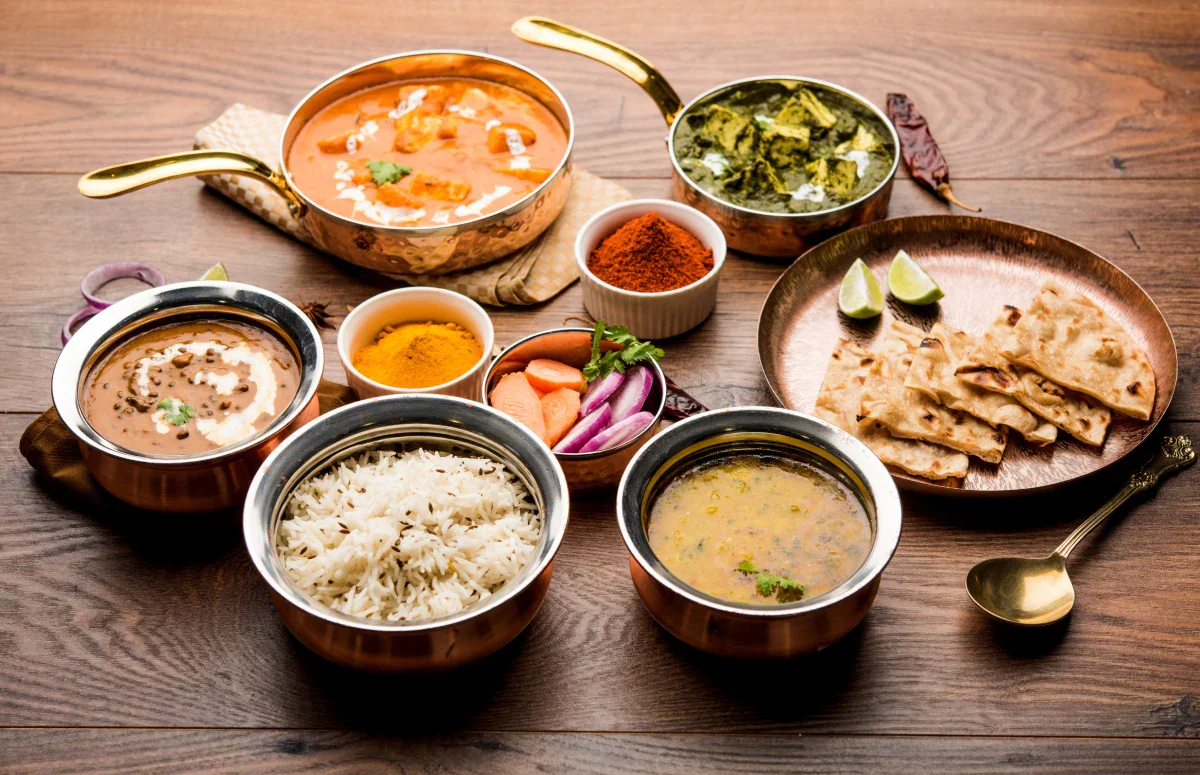
Introduction
Dinner plays a crucial role in your overall health and weight management. Eating heavy, oily, or late-night meals can lead to weight gain, poor digestion, and low energy levels the next day.
In contrast, a light and healthy dinner helps your body recover, improves digestion, and supports weight loss. Indian cuisine offers a variety of nutritious and delicious options that can be prepared easily at home.
In this article, you’ll discover the best healthy Indian dinner recipes that are low in calories, rich in nutrients, and perfect for maintaining a healthy lifestyle.
Why Dinner is Important For Weight Loss
Many people either skip dinner or eat too much, both of which can negatively affect health.
Benefits of a Healthy Dinner:
- Improves digestion
- Prevents fat storage
- Promotes better sleep
- Supports metabolism
- Helps in weight control
Principles of a Healthy Dinner
To keep your dinner healthy and effective for weight loss, follow these simple rules:
- Eat light and early (before 8 PM)
- Avoid fried and oily foods
- Include protein and fiber
- Keep portion sizes moderate
- Avoid sugar and processed foods
🍛 Best Healthy Indian Dinner Recipes
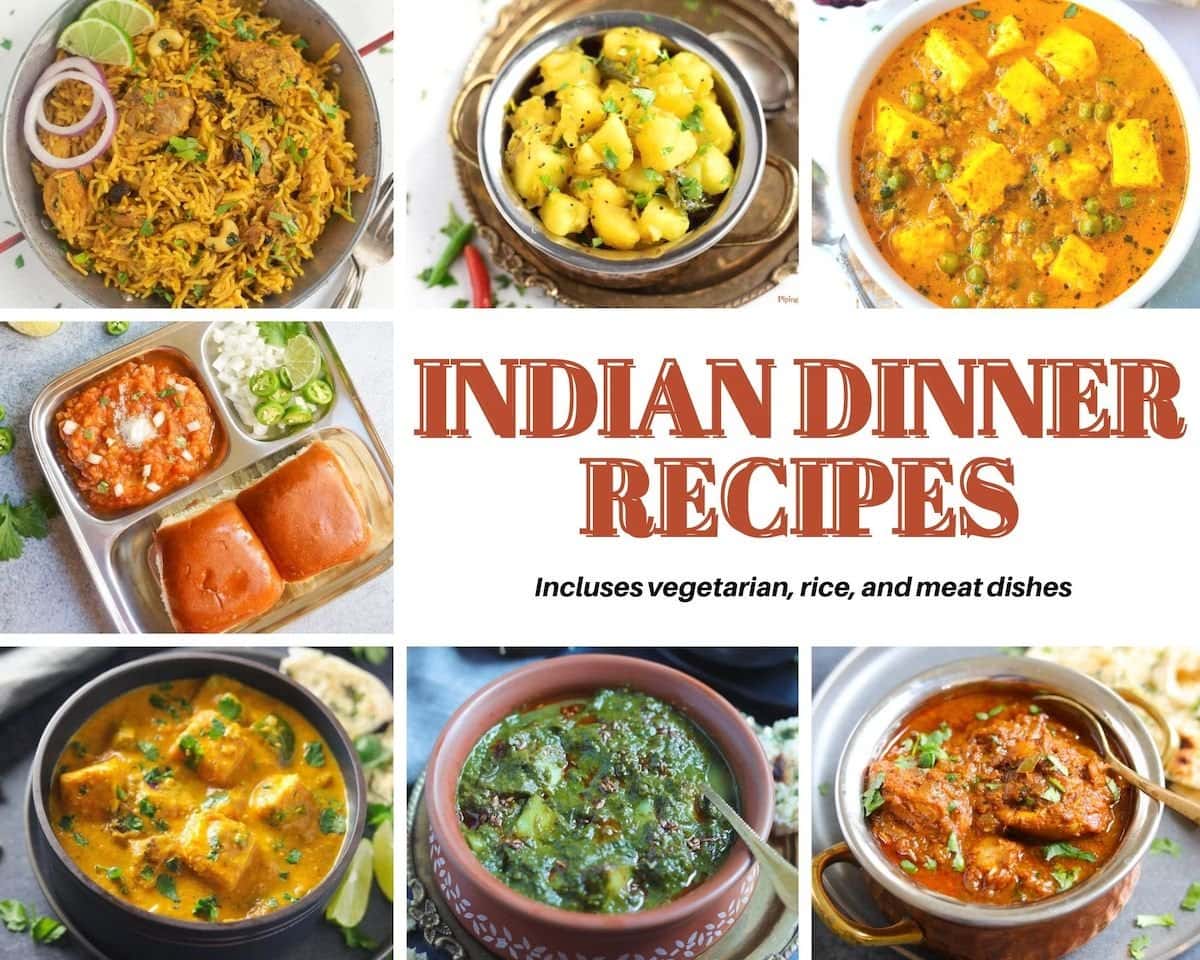
1. Vegetable Khichdi
Ingredients:
- Rice (small portion)
- Moong dal
- Vegetables (carrot, beans, peas)
- Turmeric and salt
Preparation:
- Wash rice and dal
- Add vegetables and spices
- Cook in a pressure cooker
Benefits:
- Easy to digest
- Light on the stomach
- Balanced nutrition
2. Moong Dal Chilla
Ingredients:
- Soaked moong dal
- Ginger, chili
- Salt
Preparation:
- Grind dal into batter
- Cook like a pancake
Benefits:
- High protein
- Low calorie
- Great alternative to roti
3. Paneer Salad
Ingredients:
- Paneer cubes
- Cucumber, tomato
- Olive oil
Preparation:
- Mix all ingredients
- Add salt and lemon
Benefits:
- Rich in protein
- Keeps you full
- Light dinner option
4. Vegetable Soup
Ingredients:
- Mixed vegetables
- Garlic, ginger
- Salt & pepper
Preparation:
- Boil vegetables
- Blend or serve as is
Benefits:
- Very low-calorie
- Easy digestion
- Ideal for weight loss
5. Roti + Sabzi (Healthy Version)
Ingredients:
- Whole wheat roti
- Green vegetables
Tips:
- Use less oil
- Avoid heavy curries
Benefits:
- Balanced meal
- Traditional and healthy
6. Grilled Vegetables
Ingredients:
- Broccoli, carrot, capsicum
- Olive oil
Preparation:
- Grill vegetables
- Add spices
Benefits:
- Low calorie
- High fiber
- Rich in vitamins
Sample Healthy Dinner Plan
- Day 1: Vegetable khichdi
- Day 2: Moong dal chilla
- Day 3: Soup + salad
- Day 4: Paneer salad
- Day 5: Roti + sabzi
Tips For Healthy Dinner Habits
- Eat at least 2–3 hours before sleep
- Avoid overeating
- Drink warm water after dinner
- Keep meals simple
- Avoid screens while eating
Common Dinner Mistakes to Avoid
- Eating late at night.
- Heavy fried food.
- Skipping dinner.
- Eating too much sugar.
- Lack of protein.
Conclusion
A healthy dinner is essential for maintaining a balanced lifestyle and achieving weight loss goals. By choosing light, nutritious meals like khichdi, soups, and salads, you can improve digestion, sleep better, and reduce body fat.
Consistency is the key—stick to healthy habits, and your body will respond positively over time.
❓ FAQs
1. What is the Best Dinner For Weight Loss?
Light meals like soup, salad, or khichdi are best.
2. Is Skipping Dinner Good For Weight Loss?
No, it can slow metabolism and cause overeating later.
3. Can I Eat Roti at Night?
Yes, in small portions with vegetables.
4. What Time Should I Eat Dinner?
Before 7–8 PM is ideal.
5. Is Rice Good For Dinner?
In small portions, yes—especially with dal and vegetables.